MotoGP 2026 Sprint Opener: A Maverick Start to a New Era
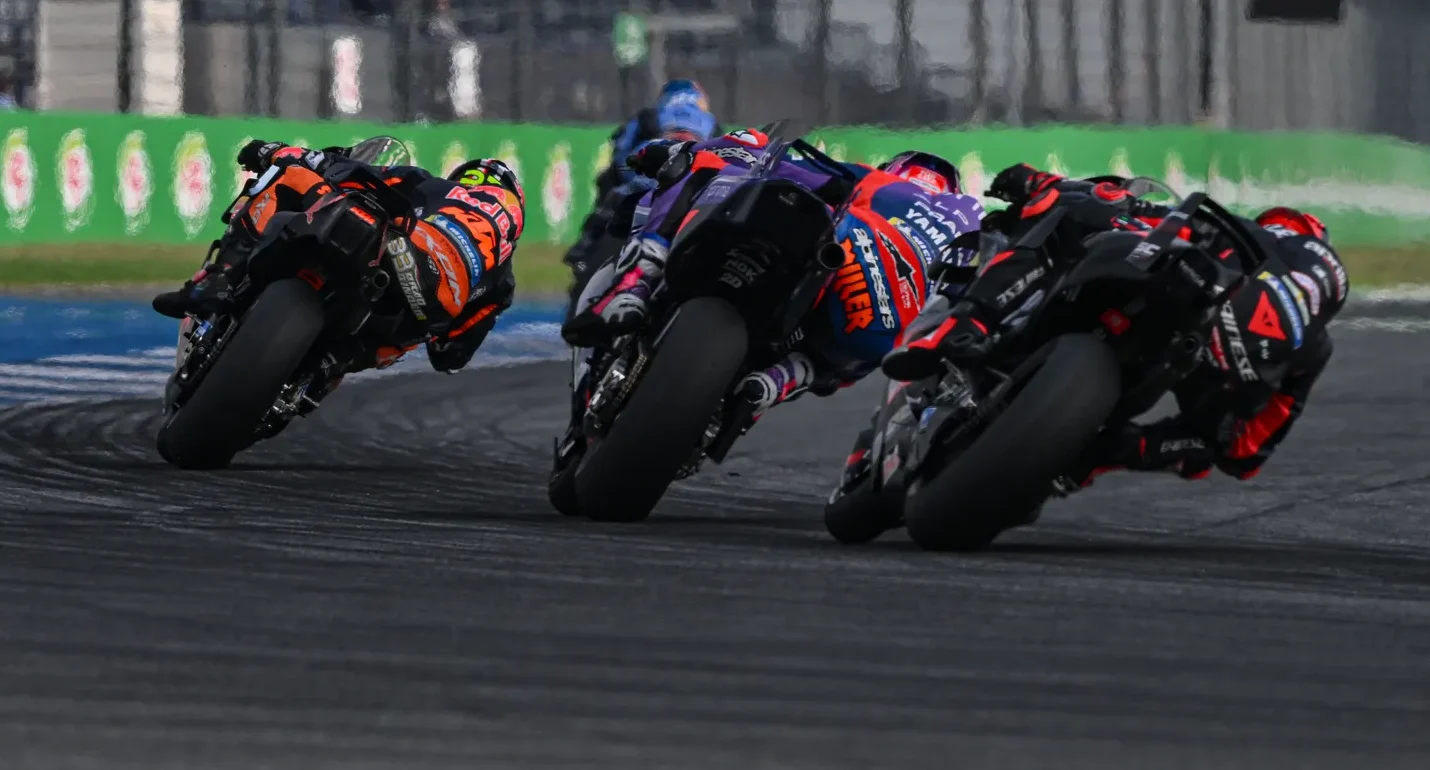
The MotoGP 2026 season burst into life with an electrifying sprint opener that promised – and delivered – a potent mix of high-speed duels, unexpected drama, and more than a few moments that sparked passionate debate. This 13-lap spectacle, the first points-paying event of the year, immediately set a new benchmark for intensity, shaking up pre-season expectations and crowning a surprising, yet undeniably deserving, first-time victor. For fans, it was a reminder of why they love this sport; for riders, a harsh lesson in the fine margins of success.
From the first roar of the engines to the checkered flag, the sprint opener laid bare the strengths, weaknesses, and sheer unpredictability that define MotoGP. It wasn't just about raw speed, but strategy, nerve, and the ability to navigate a chaotic field where every position is fiercely contested from start to finish. The 2026 season has begun with a bang, leaving everyone eager for what the rest of the year will bring.
Pedro Acosta's Ascendant Reign: A 'Terrifying' Triumph
While the record books might not officially tally it as a 'first win' in the traditional sense, what 21-year-old Pedro Acosta achieved in the 2026 MotoGP sprint opener was nothing short of monumental. His triumph, though aided by a mid-race crash from Marco Bezzecchi and a penalty dealt to Marc Marquez, showcased a talent that transcended mere circumstance. To even be in a position to capitalize on such events speaks volumes about the young Spaniard's relentless pace and strategic acumen.
What makes Acosta's performance truly remarkable is the context of his machinery. The KTM RC16, by many accounts, appeared to be struggling in pre-season testing and even in Q2 earlier on race day. Yet, Acosta elevated both himself and the bike to a level that surprised many. He has consistently outshone his more experienced teammates, demonstrating a maturity and raw speed that belies his age. This wasn't just another strong ride; this was Pedro Acosta looking genuinely terrifying. His ability to push a seemingly underperforming package to the absolute limit, combined with his unwavering composure under pressure, signals a new force in MotoGP. For seasoned observers, it evoked memories of past legends who could simply 'will' their bikes to victory. Acosta's "first win" (in all but name) is a powerful statement of intent, and it suggests we've only scratched the surface of his capabilities.
The Controversial Duels & Debatable Calls
No MotoGP sprint opener would be complete without its share of on-track fireworks, and 2026 certainly delivered. The most talked-about incident involved two Ducati strongholds, Fabio Di Giannantonio and Marc Marquez, who eliminated themselves from contention in a Turn 3 kerfuffle. Marquez, caught in a tricky situation, claimed he was squeezed by Di Giannantonio on corner entry, forcing him wide to avoid a three-bike pile-up (which would have included Raul Fernandez). As he tried to rejoin, he was further compromised by Johann Zarco, who was having his own moment on the inside.
Both riders, post-race, were reluctant to 'name names' but made it clear they considered themselves the wronged party. This kind of high-stakes, aggressive maneuvering is a hallmark of sprint racing, where every metre counts and there's little time to recover from errors. The ensuing penalty for Marquez, contributing to Acosta's ascension, further ignited discussions among fans and pundits about the boundaries of aggressive racing and the consistency of stewarding decisions. Such incidents are not uncommon in the frenetic environment of a sprint race, as evidenced by similar high-tension moments in other motorsport sprint opener events, like Logan Seavey's dramatic, last-lap battle to secure victory in the USAC Sprint Car National Championship opener at Volusia Speedway Park – proving that instant action and controversy are part of the sprint format's DNA.
The Turn 3 saga wasn't limited to the top contenders either. Early in the race, both Enea Bastianini and Maverick Vinales, riding for the new Guenther Steiner-led KTM squad, made critical errors at the same corner. Vinales, in particular, got badly sucked into Fabio Quartararo's slipstream, compromising his line and effectively ending his competitive charge almost before it began. These early-race mistakes highlight the brutal, unforgiving nature of the sprint format: one small miscalculation can ruin an entire weekend's effort.
KTM's Mixed Bag & Ducati's Day of Reflection
The 2026 MotoGP sprint opener presented a fascinating, albeit mixed, picture for both KTM and Ducati. For KTM, Pedro Acosta’s victory was a glorious anomaly, overshadowing a less-than-stellar day for his brand stablemates. Brad Binder, often a benchmark for KTM, rode a professional race to secure sixth, an important result given a clear early-2026 pace deficit to Acosta. This contrast highlights a potential internal dynamic within KTM, where Acosta appears to have found an extraordinary synergy with the RC16 that his peers are yet to unlock.
Guenther Steiner, in his new official role heading a KTM satellite team, certainly faced a harsh introduction. With both Enea Bastianini and Maverick Vinales making costly errors at Turn 3 and underperforming in qualifying, Steiner’s famously direct and no-nonsense approach will likely be put to the test. Their inability to factor into the race, especially in a KTM-won event, will undoubtedly be a point of immediate focus for the team boss. One can almost hear his candid assessment already.
Meanwhile, Ducati’s top riders experienced a day of introspection. Pecco Bagnaia, despite not having a catastrophic day, found himself outmatched in Q1 and forced into unusual mistakes. While he recovered reasonably well in the race, being pounced on by Fabio Di Giannantonio and losing eighth place late on was an unwelcome alarm bell. It’s highly probable that Bagnaia, glancing at the final classification and seeing Acosta and Marquez (prior to penalty) battling at the front, would concede that the top spots were simply beyond his reach on this particular day. The Di Giannantonio-Marquez incident further compounded Ducati’s woes, as two of their strongest contenders for the weekend took each other out of the running for significant points. It was a stark reminder that even with dominant machinery, the human element and the fierce competition of a sprint opener can rewrite any script.
The Strategic Demands of the Sprint Opener
The 2026 MotoGP sprint opener served as a powerful illustration of the unique strategic demands these shorter races place on riders and teams. Unlike the longer Grand Prix, where there's scope for managing tires, fuel, and finding a rhythm, the sprint is an all-out assault from the moment the lights go out. Every corner, every lap, is a high-stakes gamble.
Key Strategic Takeaways from this Sprint Opener:
- Aggressive Starts are Paramount: Getting away cleanly and establishing track position in the first few corners is crucial. The Turn 3 incidents involving multiple riders underscore this pressure – hesitation or over-aggression can be equally devastating.
- No Time for Recovery: A mistake in the early laps is often unrecoverable. Bastianini and Vinales learned this the hard way. Unlike a 25-lap race, a sprint offers no opportunity to claw back lost ground incrementally.
- Mental Fortitude Under Pressure: Riders must perform at peak intensity from lap one. Acosta's ability to maintain focus amidst the chaos, benefiting from others' errors while avoiding his own, highlights exceptional mental strength.
- Bike Setup for Instant Performance: Teams must find a setup that delivers immediate grip and confidence, as there's no time for tires to "come in" or for riders to adapt. The KTM RC16, despite its perceived struggles, was clearly optimized enough by Acosta to deliver.
- The Domino Effect of Incidents: As seen with the Marquez/Di Giannantonio clash, one incident can trigger a chain reaction, affecting multiple riders and dramatically altering the race outcome. Managing these tight situations without becoming a victim requires incredible foresight and precision.
These factors make the sprint an unpredictable thrill-ride, a format that champions daring and punishes even minor slips. It's a testament to the evolving nature of MotoGP and why the sprint opener has become such a pivotal event in setting the tone for the season.
The 2026 MotoGP sprint opener was an unforgettable curtain-raiser, delivering on its promise of duels, drama, and controversial moments. Pedro Acosta's extraordinary performance, the intense on-track battles, and the immediate implications for team dynamics have firmly set the stage for what promises to be a captivating season. As the dust settles, questions linger, lessons are learned, and the anticipation for the next Grand Prix only intensifies. This sprint opener wasn't just a race; it was a declaration that MotoGP 2026 is here, and it's not holding anything back.